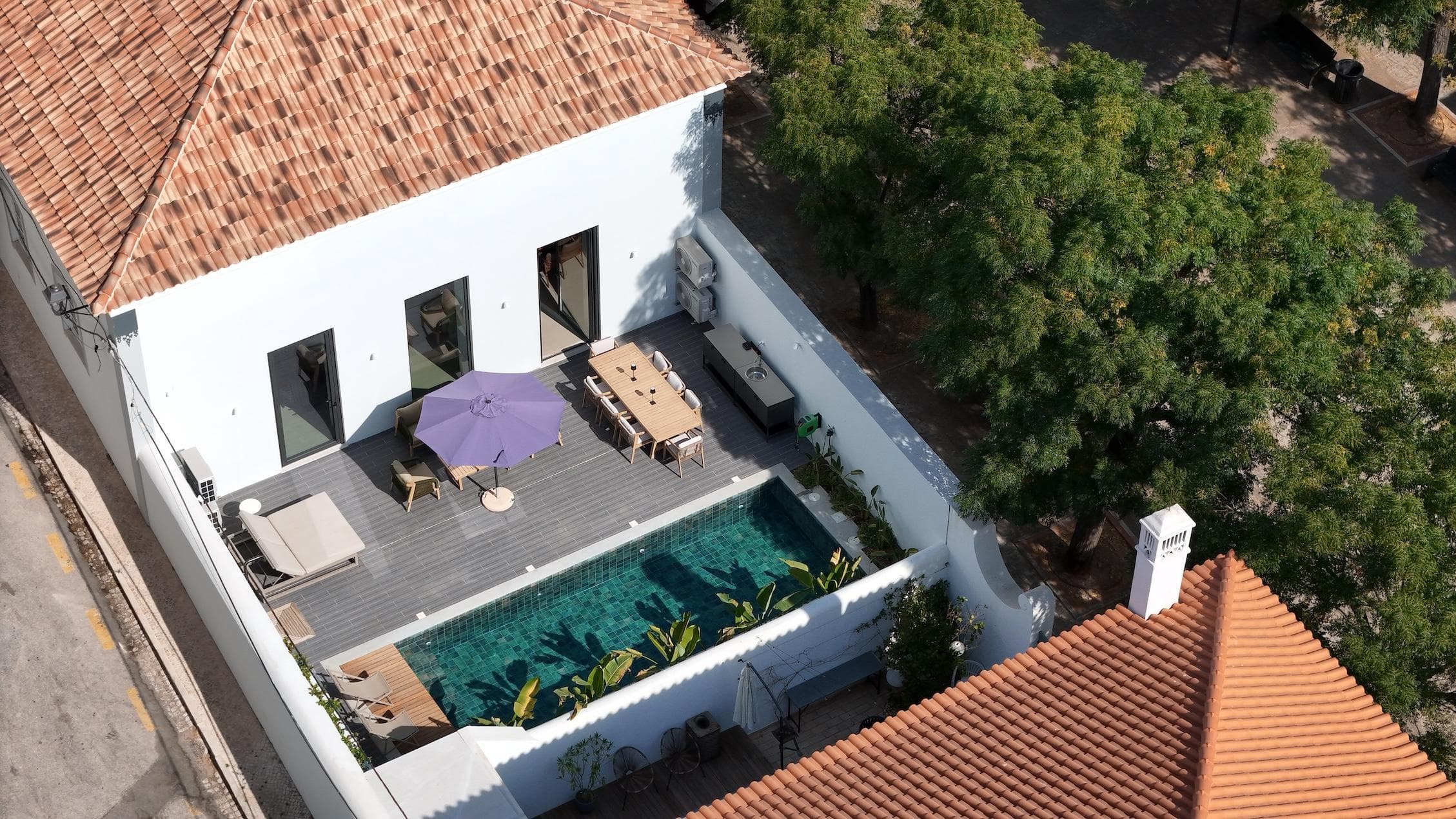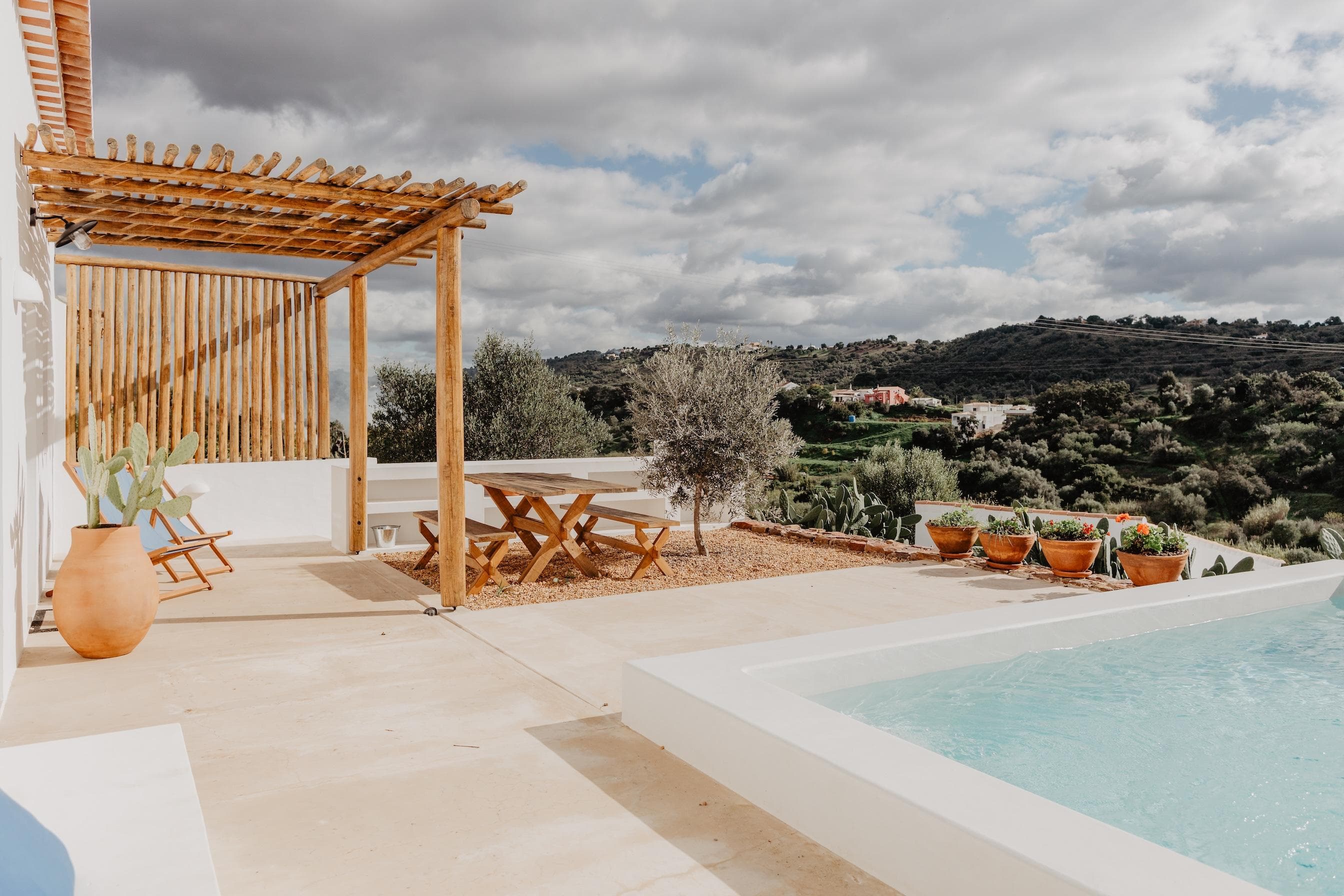





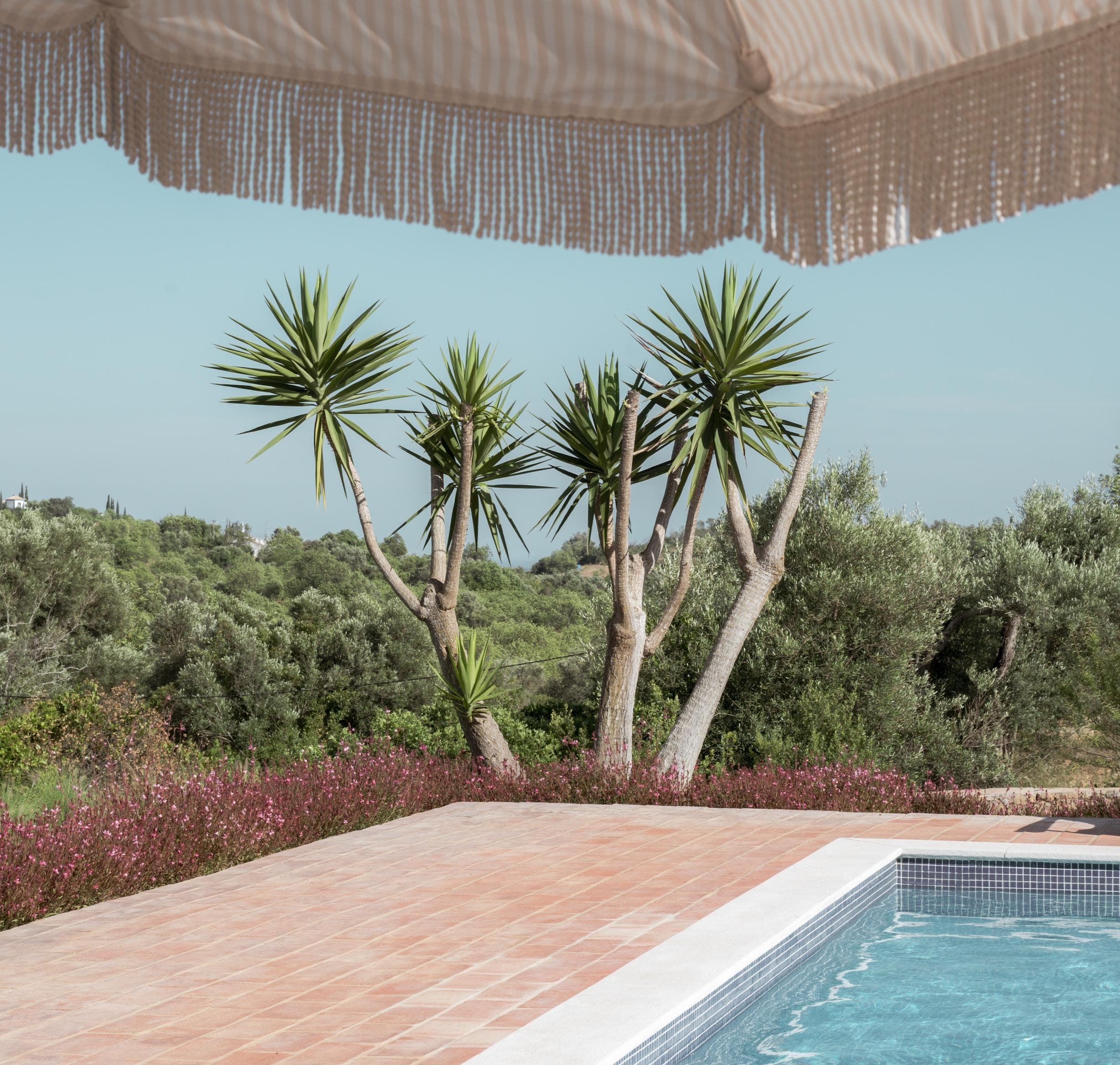
Tucked between medieval alleyways and sun-drenched vineyards, Casa Cortiça is a home where every stone tells a story and every corner invites you to linger.
Algarve, countryside
Quinta da Lila
Weeks Off Club property
Algarve, countryside
Quinta da Lila
Weeks Off Club property
Let us accompany you from A to Z in your search for a house to rent :

Information gathering (rates, availability)
Personalized recommendations
Direct connection with the property owner
Booking at the best rate
In the heart of Monchique’s lush green hills, three century old houses have been brought back to life as minimalist and welcoming retreats. Quinta da Lila tells the story of a forgotten estate transformed into a design led that stays closely connected to its terroir.
Weeks Off Club property
Algarve, countryside
Quinta da Lila
Weeks Off Club property
Let us accompany you from A to Z in your search for a house to rent :
Information gathering (rates, availability)
Personalized recommendations
Direct connection with the property owner
Booking at the best rate
House specs

Country
City
Capacity
Price range
Outdoor facilities
Indoor facilities
Comfort
Services
Categories
stay types
The art of escaping to the Serra de Monchique
“The houses offer an intimate, warm atmosphere that makes people feel right at home.”
For years, the farm had been left to the elements, abandoned since the 1980s and slowly swallowed by brambles and time. To most people, it had become little more than a vague memory. But not for Herman Koppe and Angela Galvão, a Dutchman and a Brazilian couple who had fallen in love with the Algarve.
Today, Quinta da Lila stretches across three point three hectares of stone terraces, old orchards and a vineyard brought back to life. Three houses, The Yellow House, The Granite House and The Baker’s Cottage, now welcome travellers into an intimate and cosy atmosphere, the kind of place where you feel as though you have arrived home, only with a little more soul.
The revival
of an old quinta
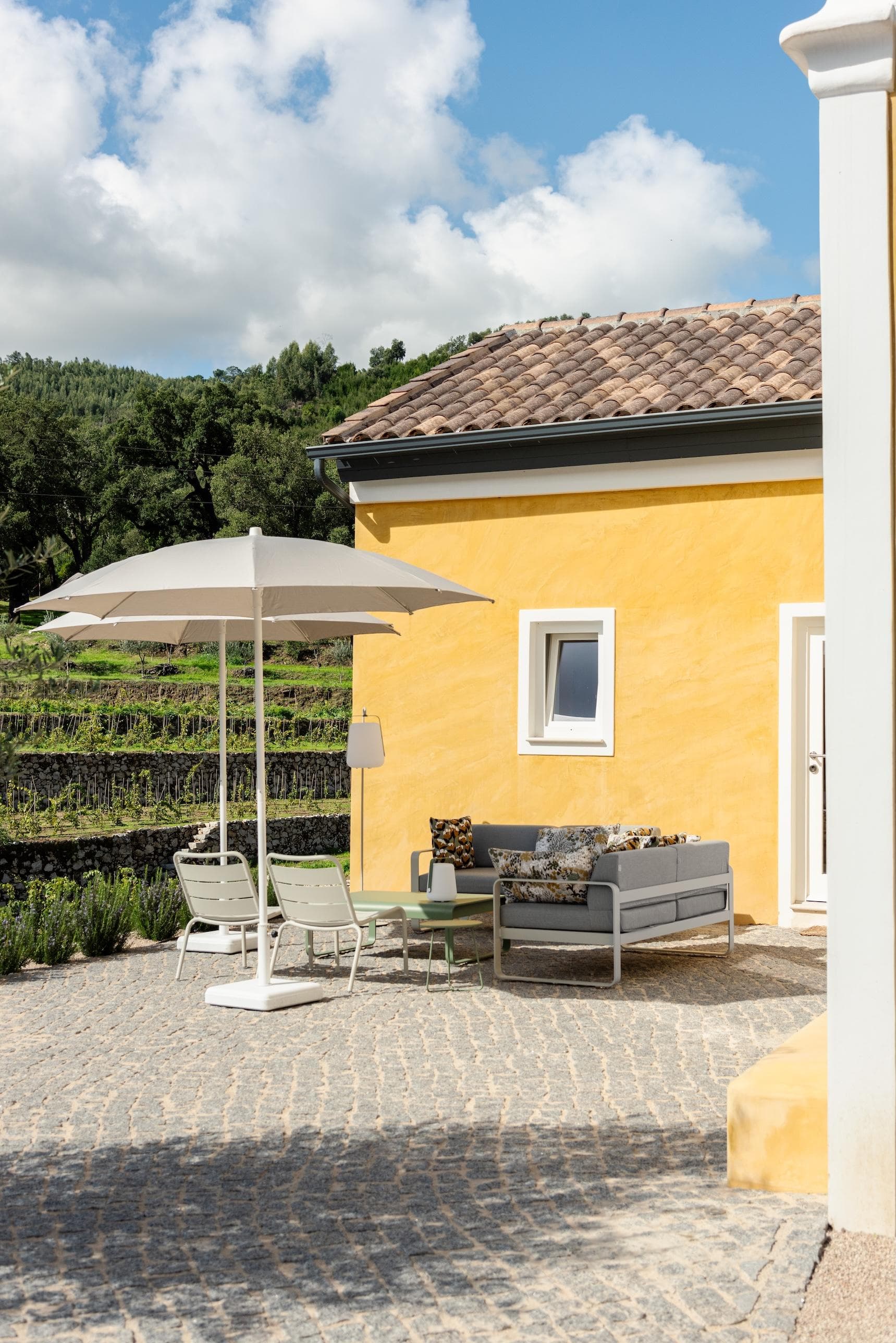
The sunlit Yellow House. © Zavial Studio
The archives found on site revealed a history far older than anyone expected. A sales contract dated May eighteenth, eighteen ninety seven confirms that the quinta was already standing at the time, which means it is likely more than a century and a half old. Perched on the hills of Monchique, it once looked out over the cultivated terraces of its era, then spent more than forty years abandoned.
When Herman and Angela bought the property in two thousand twenty one, the land was covered in scrub and the original shapes were almost impossible to see. After three weeks of clearing, the old agricultural layout finally appeared again: carefully built terraces, intact dry stone walls and forgotten paths. « We wanted to bring the estate back to its former glory, but with all the modern comforts », they explain.
Between two thousand twenty one and two thousand twenty four, an extensive renovation brought new life to the three houses. StudioArte created the architectural concept, while Concepto Studio designed the interiors together with Herman. Water and electricity were finally connected. The walls received ecological plaster that allows them to breathe. Cork insulation keeps the houses cool in summer and warm in winter. Electric heat pumps provide heating, solar panels heat the water, and the former irrigation basins were transformed into swimming pools, including one fed by a mountain spring that flows continuously.
Simplicity,
with subtlety
The houses were rebuilt with strict respect for their original footprint. They carry the signatures of Algarve rural architecture, with local stone, simple shapes and modest yet noble proportions. The Yellow House even preserves a few more refined finishes, described as uncommon in rural homes, which suggests that the original farmer may have been a little wealthier than his neighbours.
Inside, everything leans toward gentle elegance and quiet charm. The walls are finished in lime plaster, the spaces remain open, and the atmosphere is minimalist yet warm, shaped by carefully chosen vintage pieces. The owners often speak of soulful minimalism, a way of decorating in which every object has meaning without ever taking over the room. One of the most emblematic pieces of this philosophy is a striking yellow sofa from the nineteen sixties by Cini Boeri.
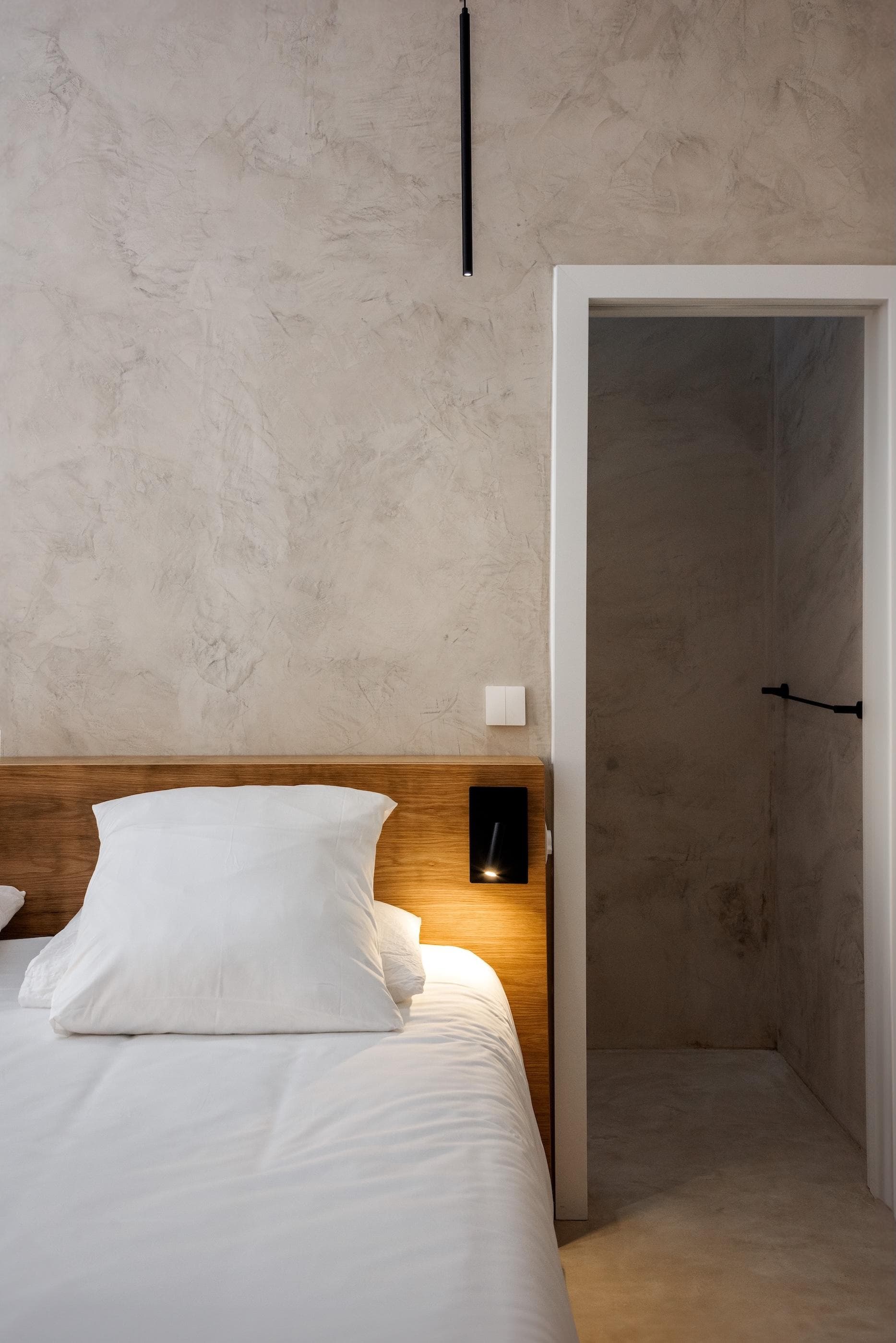
Inside, lime takes center stage. © Zavial Studio
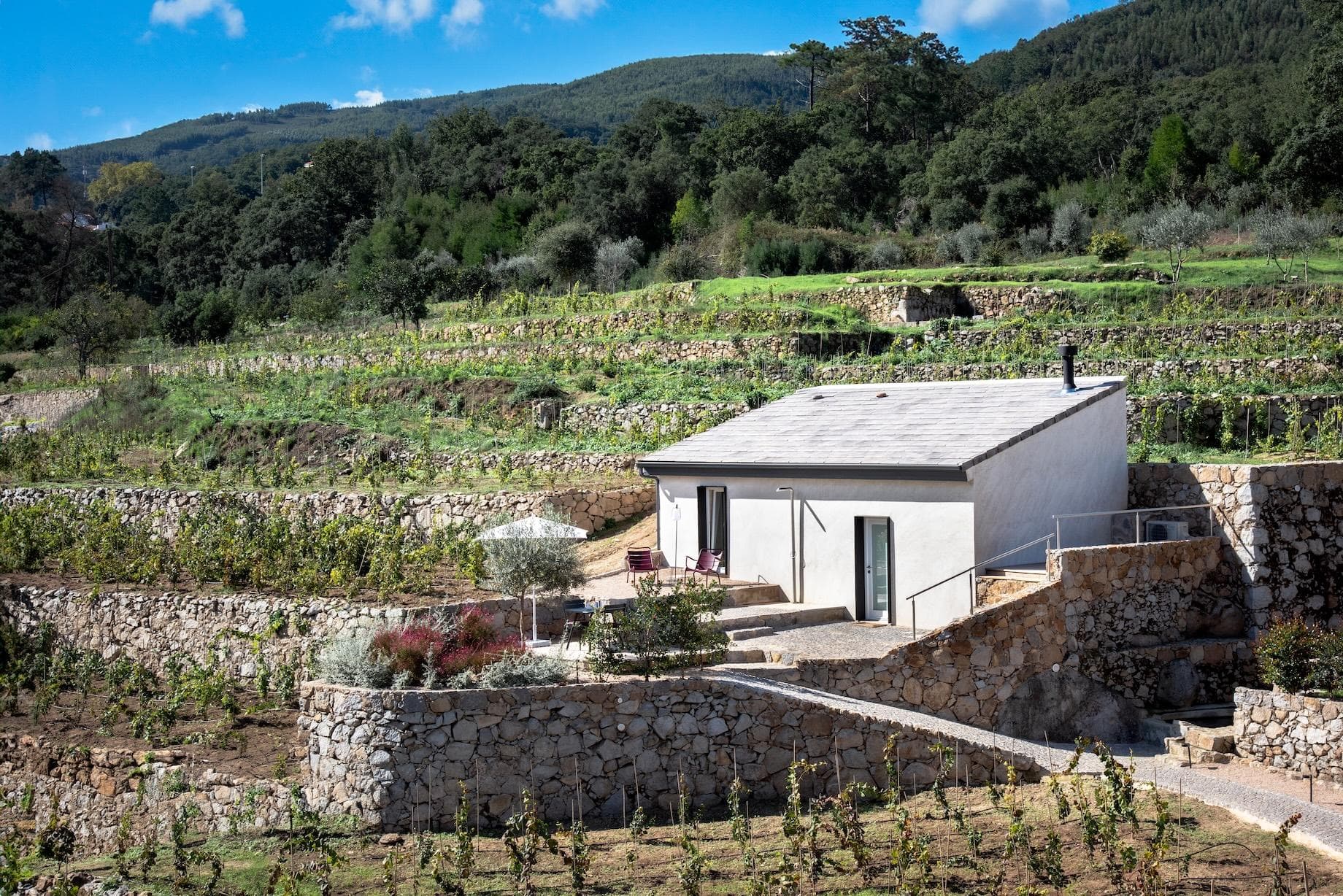
The Baker’s Cottage amid the vineyards. © Zavial Studio
Nature,
in full panorama
In the afternoon, we stroll through the estate. © Zavial Studio
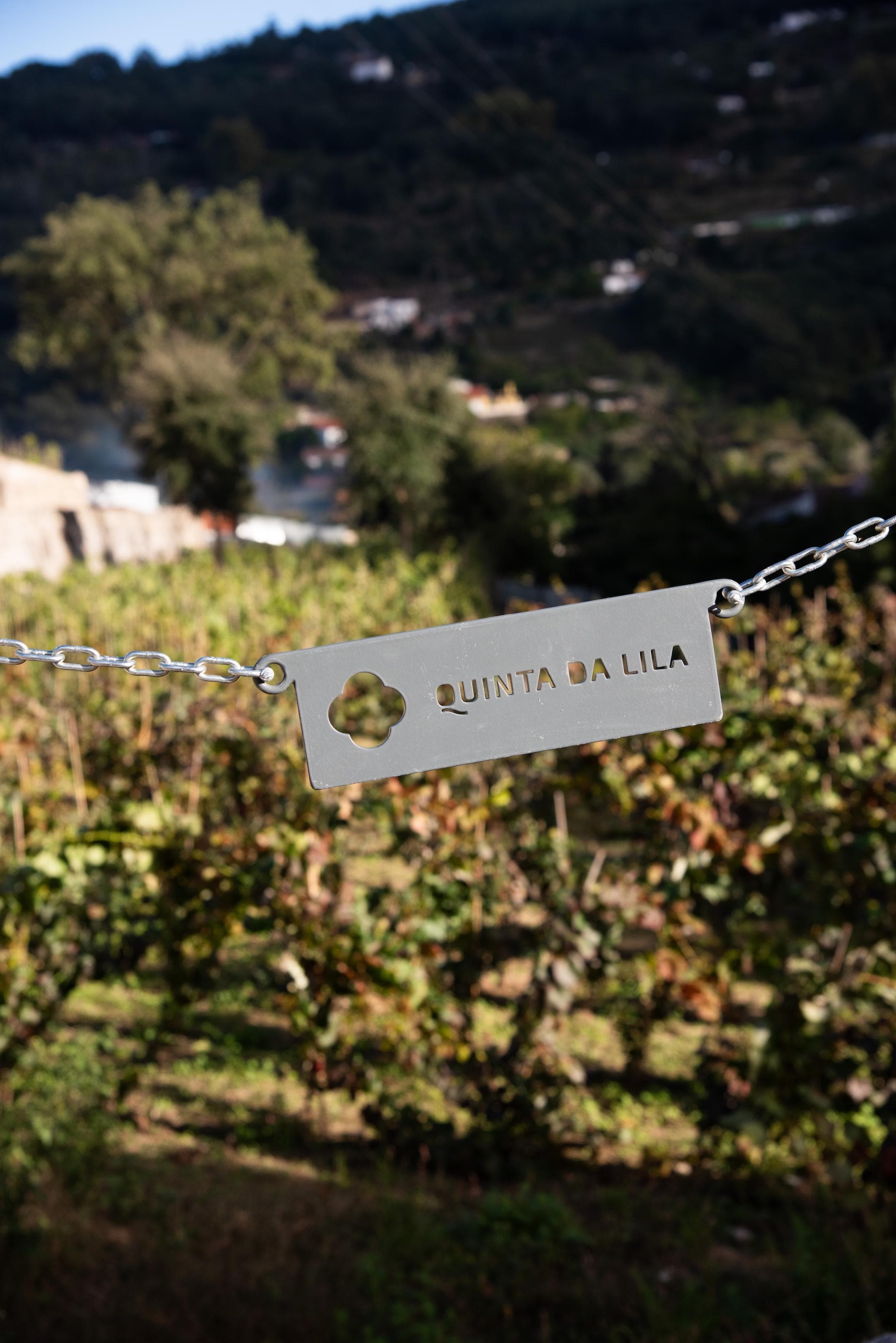
Around the houses, the estate’s three point three hectares open onto a landscape that encourages you to slow down. The century old terraces now hold an organic vineyard planted in two thousand twenty four, with grape varieties that should produce one hundred percent Monchique reds and rosés by two thousand twenty seven. The orchards overflow with lemon, mandarin and orange trees. A little farther on, cork oaks and strawberry trees remind visitors that they are standing in one of the most unspoiled terroirs in southern Portugal.
Each house has its own terrace and pool. The Yellow House and The Granite House have classic pools, while The Baker’s Cottage enjoys a natural, spring fed one. The murmur of streams, the sunlight sliding over the stone walls and the constant birdsong complete the bucolic setting.
The region itself is full of nearby discoveries. Hiking trails begin right at the edge of the property. The summit of Fóia offers breathtaking views of the Algarve whenever it chooses to reveal itself. Monchique’s ceramic workshops delight anyone curious about local craft. And soon, the quinta will welcome wine tastings in partnership with Ceiceira Winery.
The 3 things
we love the most
The lush nature
The intimacy created by the layout
The estate’s history and its transformation
Gallery
Destination Monchique
Quinta da Lila
Tojal, 8550-386, Monchine, Portugal
Transports
Faro Airtport
69 min
Restaurants
Luar Da Fóia (local food)
6 min
Restaurante Jardim das Oliveiras (portugese food)
401 min
Shops and Craft workshops
Pastelaria Páscoa (pasteis de nata)
2 min
Leonel Telo Cerâmica (ceramic shop)
3 min
Tradições de Monchique (delicatessen, lunch)
3 min
Nature, Culture and Heritage
Ceiceira Tasting Lounge (wine testing)
8 min
Alto da Fóia (view, hiking)
14 min
Quinta da Lila
Tojal, 8550-386, Monchine, Portugal
Turn it up!